With a bulb lasagne, you can enjoy flowers in the same pot or garden border from early spring right through to May. The idea is simple: plant different types of flower bulbs in layers, choosing varieties that flower at different times. Crocuses and snowdrops might appear first, followed by daffodils and hyacinths, with tulips providing the final display. With just one planting session in autumn, you can enjoy spring flowers for months.
This method is known as bulb lasagne planting, layered bulb planting or simply planting bulbs in layers. It is a practical way to grow more bulbs in a small space, whether in pots, containers or directly in the garden.
Bulb lasagne
What is bulb lasagne planting?
Bulb lasagne planting involves planting flower bulbs at different depths in the same pot or border. The name comes from the layers of a traditional lasagne. Bulbs that need to be planted deepest go at the bottom, with smaller bulbs that require less planting depth placed above them.
By combining bulbs with different flowering times, you can create a succession of flowers throughout spring. Alternatively, you can choose varieties that flower together for a fuller display with different colours and flower shapes.
When planning a bulb lasagne, there are three things to consider: planting depth, flowering time and the eventual height of the flowers. A late-flowering tulip, for example, does not necessarily need to be planted deeper than an early-flowering daffodil.
Which bulbs are suitable for a bulb lasagne?
Spring-flowering bulbs are the best choice for a traditional bulb lasagne. Good options include crocuses, snowdrops, daffodils, hyacinths, grape hyacinths and tulips. These can be combined to give you flowers over several months.
Top layer: small spring-flowering bulbs
The top layer is for bulbs that are planted relatively close to the surface, usually at a depth of around 5 to 10 cm.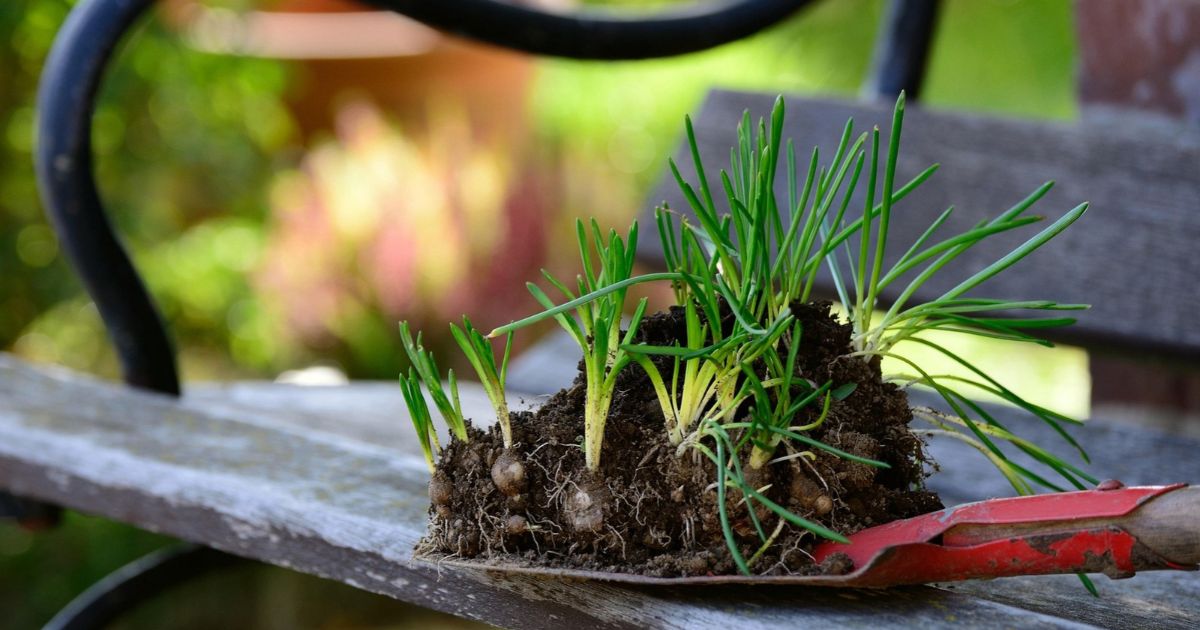
Suitable bulbs include:
- Crocuses (Crocus): usually flower in February and March.
- Snowdrops (Galanthus): can start flowering as early as January.
- Dwarf iris (Iris reticulata): often flowers in February and March.
- Glory-of-the-snow (Chionodoxa/Scilla): produces blue, white or pink flowers in early spring.
- Grape hyacinths (Muscari): generally flower in March and April.
- Anemone blanda: also known as Grecian windflower, produces low-growing, daisy-like flowers in March and April.
These bulbs stay fairly low, making them ideal for planting around the edge of a container or towards the front of a garden border.
Middle layer: hyacinths and small daffodils
Hyacinths and smaller varieties of daffodils work particularly well in the middle layer.
Hyacinths (Hyacinthus) are generally planted around 10 to 15 cm deep. They flower in March and April, producing distinctive, fragrant flower spikes.
Small daffodils, such as Narcissus 'Tête-à-Tête', are especially suitable for pots and containers because of their compact growth. Depending on the size of the bulbs, a planting depth of around 8 to 10 cm is often sufficient.
Some bulbs have similar planting depths, so there is no need to divide every bulb lasagne into exactly three separate layers. The important thing is to plant each variety at the correct depth.
Bottom layer: tulips and larger daffodils
The bottom layer is reserved for bulbs that need to be planted more deeply.
Tulips (Tulipa) are a classic choice for bulb lasagne planting. Many common garden tulips are planted around 10 to 15 cm deep. By combining early and late-flowering varieties, you can extend the flowering season.
Larger daffodils generally have bigger bulbs and need more planting depth. Depending on the bulb size, this may be around 15 to 20 cm. They are therefore particularly suitable for deeper pots and garden borders.
Remember that planting depth, rather than flowering time, determines where each bulb should go.
Flowering times and planting depths at a glance
The table below shows when different spring bulbs usually flower and how deeply they should be planted. Use it to help choose the right combination for your bulb lasagne.
| Flower bulb |
Flowering time |
Planting depth |
| Crocuses |
February–March |
5–10 cm |
| Snowdrops |
January–March |
5–10 cm |
| Dwarf iris |
February–March |
8–10 cm |
| Glory-of-the-snow |
February–April |
5–10 cm |
| Grape hyacinths |
March–April |
8–10 cm |
| Anemone blanda |
March–April |
5–8 cm |
| Hyacinths |
March–April |
10–15 cm |
| Small daffodils |
February–April |
8–10 cm |
| Tulips |
March–May |
10–15 cm |
| Large daffodils |
March–April |
15–20 cm |
Planting depths are approximate and are measured from the soil surface to the base of the bulb. Always follow the instructions on the packaging if you are unsure. Flowering times may vary depending on the variety and weather conditions.
How to make a bulb lasagne in 6 steps
Making a bulb lasagne is straightforward. All you need is a sufficiently deep pot, well-drained compost and a selection of spring-flowering bulbs with different flowering times.
Step 1. Choose a large flower pot
Ideally, use a pot around 35 to 40 cm wide and 30 to 40 cm deep. Make sure it has drainage holes in the bottom so excess water can escape. A frost-resistant terracotta pot is a good choice, although plastic or other frost-proof containers will work just as well.
Step 2. Fill the pot with compost
Use a loose, well-drained potting compost, preferably peat-free. Partly fill the pot, allowing enough space for the bottom layer of bulbs to sit at the correct planting depth. Leave a little room below the rim for watering.
Step 3. Plant the bottom layer
Start with the bulbs that need to be planted deepest, such as large daffodils or tulips. Place them with their pointed ends facing upwards, making sure the bulbs do not touch. Follow the recommended planting depth on the packaging.
Step 4. Add the middle layer
Cover the first layer of bulbs with compost, then plant your hyacinths or small daffodils at their recommended depth. Try to stagger the bulbs so they are not positioned directly above those in the bottom layer.
Step 5. Plant the top layer
Finish with the smaller bulbs, such as crocuses, snowdrops or grape hyacinths. Fill the remaining space with compost and gently firm it down.
Step 6. Water and place the pot outdoors
Water the pot after planting and place it outdoors in a bright, sheltered position. Most spring-flowering bulbs need a period of cold weather to flower properly. Make sure the compost does not remain waterlogged for long periods.
Example: a bulb lasagne in a 40 cm pot
For a pot approximately 40 cm in diameter, you could try the following combination:
- Bottom layer: 7 tulip bulbs, planted around 12–15 cm deep.
- Middle layer: 7 small daffodils, such as 'Tête-à-Tête', planted around 8–10 cm deep.
- Top layer: 12 crocus bulbs, planted around 5–7 cm deep.
These quantities are a guide. The number of bulbs that will fit depends on their size and the shape of your pot. Leave enough room between the bulbs and the different layers.
With this combination, the crocuses may begin flowering in February or March, followed by the daffodils. Depending on which tulip variety you choose, the tulips will then flower in March, April or May.
When should you plant a bulb lasagne?
The best time to plant a bulb lasagne is in autumn, generally from September to November. Many spring-flowering bulbs can also be planted in December, provided the ground is not frozen.
Planting in autumn gives the bulbs time to develop roots before spring. Most spring bulbs also need a period of cold weather to encourage healthy growth and flowering.
Layered bulb planting in a garden border
Layered bulb planting works just as well in the ground as it does in pots. It is particularly useful between established perennials, where bulbs can provide colour early in the year before the rest of the border comes into growth.
Choose a spot with well-drained soil and plenty of light. Plant each type of bulb at its recommended depth and consider how tall the flowers will eventually grow. Low-growing crocuses and grape hyacinths look lovely towards the front of a border, while taller tulips and daffodils are better placed further back.
As the spring bulbs finish flowering, many perennials will begin producing fresh foliage. Their leaves can help hide the fading bulb foliage while it dies back naturally.
Which bulbs are less suitable for a bulb lasagne?
Not every flower bulb is suitable for a traditional spring bulb lasagne.
Gladioli, dahlias and cannas are generally planted in spring and flower during summer. They are therefore less suitable for combining with spring-flowering bulbs.
Large ornamental alliums and crown imperials can also be impractical in smaller pots because of their size and planting depth. Some varieties can, however, work well in a spacious garden border or a deep container.
Can you leave a bulb lasagne in the pot for several years?
That depends on the bulbs you have chosen. Crocuses, grape hyacinths and many daffodils can return year after year when grown in suitable conditions. Large-flowered tulips are less reliable, particularly when planted closely together in pots.
After flowering, allow the leaves to turn yellow naturally before removing them. This gives the bulbs time to store energy for the following growing season. If you want a full display every spring, you can add fresh bulbs or replant the container in autumn.
Flower bulbs for layered planting
Crocuses, small daffodils and late-flowering tulips are a good starting point for your own bulb lasagne. Choose varieties with flowering times that complement one another, and always follow the recommended planting depths.
At Bulbs for layered planting, you will find a wide selection of spring-flowering bulbs to create your own layered planting combination for a flower pot, container or garden border.